



 Sign-In / Register


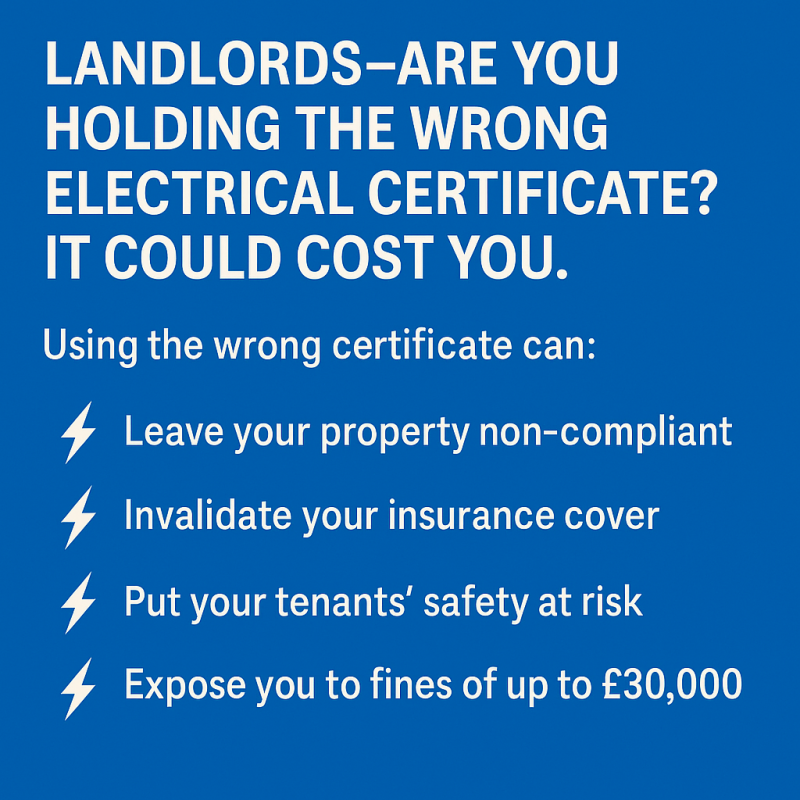
Don’t risk fines or invalid insurance—know the difference
EICR vs EIC: What’s the Difference and Why It Matters for Landlords
As a responsible landlord, staying on top of property compliance is essential—not just for your tenants’ safety, but to protect your investment and meet legal requirements. At 360 Properties, we often speak with landlords who confuse two important electrical certificates: the EICR (Electrical Installation Condition Report) and the EIC (Electrical Installation Certificate).
While they may sound similar, they serve very different purposes. Confusing one for the other can lead to fines, legal complications, and voided insurance policies. This guide will help clarify the differences and explain why the correct certification is crucial for rental compliance.
What Is an EICR?
The EICR, or Electrical Installation Condition Report, is a mandatory electrical safety check for rented properties in the UK. It assesses the condition of the fixed electrical systems, such as sockets, wiring, the consumer unit (fuse board), and lighting circuits.
Key EICR facts for landlords:
- Legally required in England for private rental properties.
- Must be renewed every 5 years or with each new tenancy.
- Inspections must be completed by a qualified electrician registered with a competent person scheme.
- Reports identify safety issues using a coded system (C1, C2, C3, FI).
- Landlords must provide tenants with a copy of the EICR within 28 days.
For landlords working with 360 Properties, we ensure your EICR certification is up to date and compliant with current legislation.
What Is an EIC?
An EIC, or Electrical Installation Certiificate, is issued following new electrical work or a full installation. While it confirms the work was completed safely and to current standards, it does not assess the overall condition of an existing installation over time.
Key EIC facts:
- Typically issued after new installations or major upgrades.
- Confirms compliance with BS 7671 wiring regulations.
- Not valid for satisfying landlord electrical safety regulations.
If you're letting a property, presenting an EIR in place of an EICR will not meet legal requirements—and could cost you.
Why Do Landlords Mix Them Up?
The confusion often stems from the similar names and the fact that both are completed by electricians. However, only the EICR fulfills legal obligations for electrical safety in rental properties.
Consequences of Having the Wrong Electrical Certificate
1. Non-Compliance with UK Rental Laws
Providing an EIC instead of a valid EICR puts landlords at risk of:
- Local authority fines up to £30,000
- Enforcement notices and penalties
- Potential eviction delays or tenancy issues
2. Void Landlord Insurance
Insurers may reject claims if a property lacks a valid EICR. In the event of an electrical fire or injury, landlords may be held personally liable for damages.
3. Endangering Tenant Safety
An outdated or incorrect report could miss serious faults. Failure to identify and correct hazards can lead to legal action or prosecution under landlord health and safety regulations.
4. Delays in Renting Your Property
Letting agents, tenants, and property management companies like 360 Properties require a valid EICR. Without it, rental agreements can be delayed, and your reputation as a landlord could suffer.
How 360 Properties Can Help
At 360 Properties, we specialise in landlord compliance and property management across the UK. We partner with certified electricians to ensure that all properties under our care meet current EICR regulations.
Our team handles:
- Scheduling inspections
- Reviewing and interpreting EICRs
- Recommending remedial works if needed
- Providing digital copies of certificates for your records and tenants
We take the guesswork out of compliance so you can focus on growing your property portfolio with confidence.
Final Word: Don’t Risk the Wrong Certificate
When it comes to electrical safety in rental properties, only the EICR will protect you legally, financially, and morally. Don’t risk fines or insurance issues by confusing it with an EIC.
If you’re unsure which certificate you have—or need help arranging a compliant inspection—contact the team at 360 Properties today. We’re here to keep your property portfolio safe, compliant, and profitable.


